
Boiler Repairs in Paisley & Renfrewshire
No heating, no hot water, or a fault code you have already tried resetting twice. Tell me the make and the code and I can usually narrow it down before I set off.
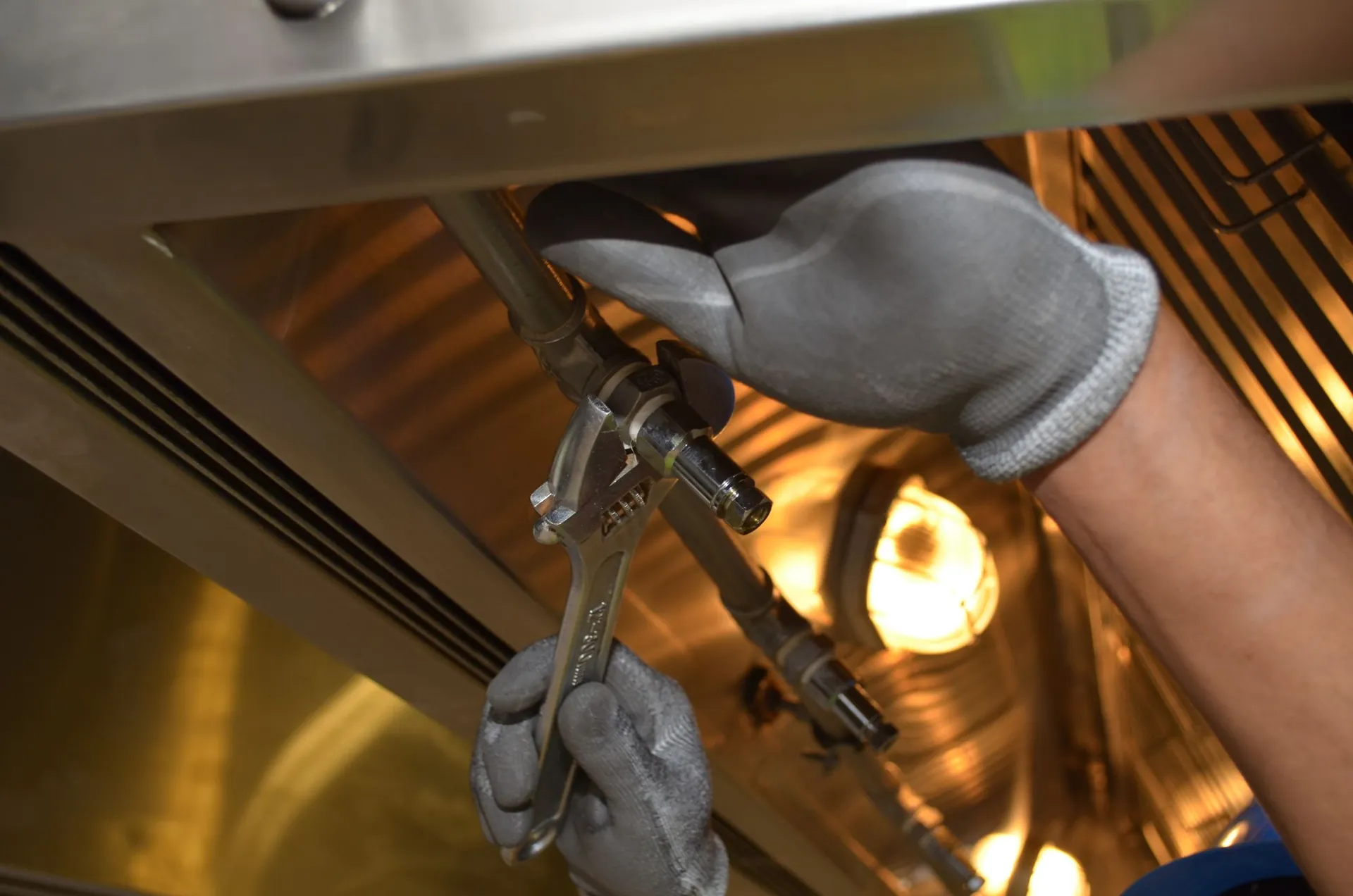
Find the fault, then change the part
The expensive way to fix a boiler is to start swapping parts until it works. I have been called to plenty of boilers with a new PCB in them that still had the original fault, because the PCB was never the problem.
Most breakdowns come down to a handful of causes, and the fault code plus what the boiler is physically doing will get you most of the way there. If it fires and locks out at the same point every time, that is telling you something. If it only fails when the weather drops below freezing, that is telling you something completely different.
I carry the parts that fail most often. If it needs something ordered I will tell you what it is, what it costs, and whether the boiler is worth putting it into.
The faults I see most in Renfrewshire
Frozen condensate
Every hard frost, the phone goes. The condensate pipe runs outside in 22mm or, far too often, 21.5mm overflow pipe, it freezes at the bend or the outside wall, the boiler backs up and locks out. Thawing it takes minutes. Stopping it happening again means re-routing it internally, going up a pipe size or lagging it properly — and that is the conversation worth having in October, not January.
Pressure that keeps dropping
People top the system up every couple of weeks and assume that is normal. It is not. It is either a leak or, far more often, a failed expansion vessel that has lost its charge. Recharging or replacing it fixes the cause. Topping it up just hides it.
Hot then lukewarm at the tap
Classic sludged plate heat exchanger on a combi. The water runs hot for twenty seconds then goes tepid. On our soft water this is almost always magnetite rather than scale, which means cleaning the system and fitting a filter, not just changing the part.
Ignition lockout
Boiler tries three times, clicks, gives up. Electrodes, the gap between them, the flame sense lead, or gas pressure dropping under load. A manometer on the test point settles which one in a couple of minutes.
Before you ring
- Get the make and model off the front or the data plate inside the door.
- Note the fault code exactly as it shows, and whether it comes back straight away after a reset.
- Check the pressure gauge — roughly 1 to 1.5 bar cold is normal.
- Check whether other gas appliances still work, and whether the meter has credit if it is prepay.
- If you can smell gas, do not ring me first — call the National Gas Emergency Service on 0800 111 999, turn the gas off at the meter and open the windows.
Questions I get asked
Is my boiler worth repairing or should I replace it?
I will give you the honest figure. If the repair is a large share of what a replacement costs and the boiler is already well into its second decade, I will say so rather than take the repair money. Age, parts availability and how much sludge is in the system all come into it.
Can you work on any make?
Gas Safe registration covers the appliance types I am qualified for rather than particular brands, so yes for domestic boilers generally. Parts availability is the real limit — some older and discontinued models are simply not supported any more.
Will you find the fault on the first visit?
Usually. Intermittent faults are the exception — a boiler that fails once a fortnight can be difficult to catch in the act, and I would rather tell you that up front than guess at a part and charge you for it.
No heating or hot water? Call now
Give me the fault code and the make off the front of the boiler and I can usually tell you on the phone what it is likely to be.