
PAT Testing in Paisley & Renfrewshire
Appliance inspection and testing for landlords, HMO licensing and small business premises, with a full asset register and labels applied.
Nothing in law is called "PAT testing"
The proper name is in-service inspection and testing of electrical equipment, and no regulation names it. What exists is a duty — under the Electricity at Work Regulations 1989 for workplaces, and under the Repairing Standard in Scotland for rented housing — to keep electrical equipment in a safe condition.
Testing is how you demonstrate you did that. For landlords in Renfrewshire it applies to the appliances you supply: the washing machine you left in, the fridge, the microwave, the vacuum, the lamps. Not the tenant's own kit.
If you hold an HMO licence, Renfrewshire Council will expect to see it alongside your EICR, and the two are separate pieces of work — an EICR covers the fixed wiring, this covers everything that plugs into it.
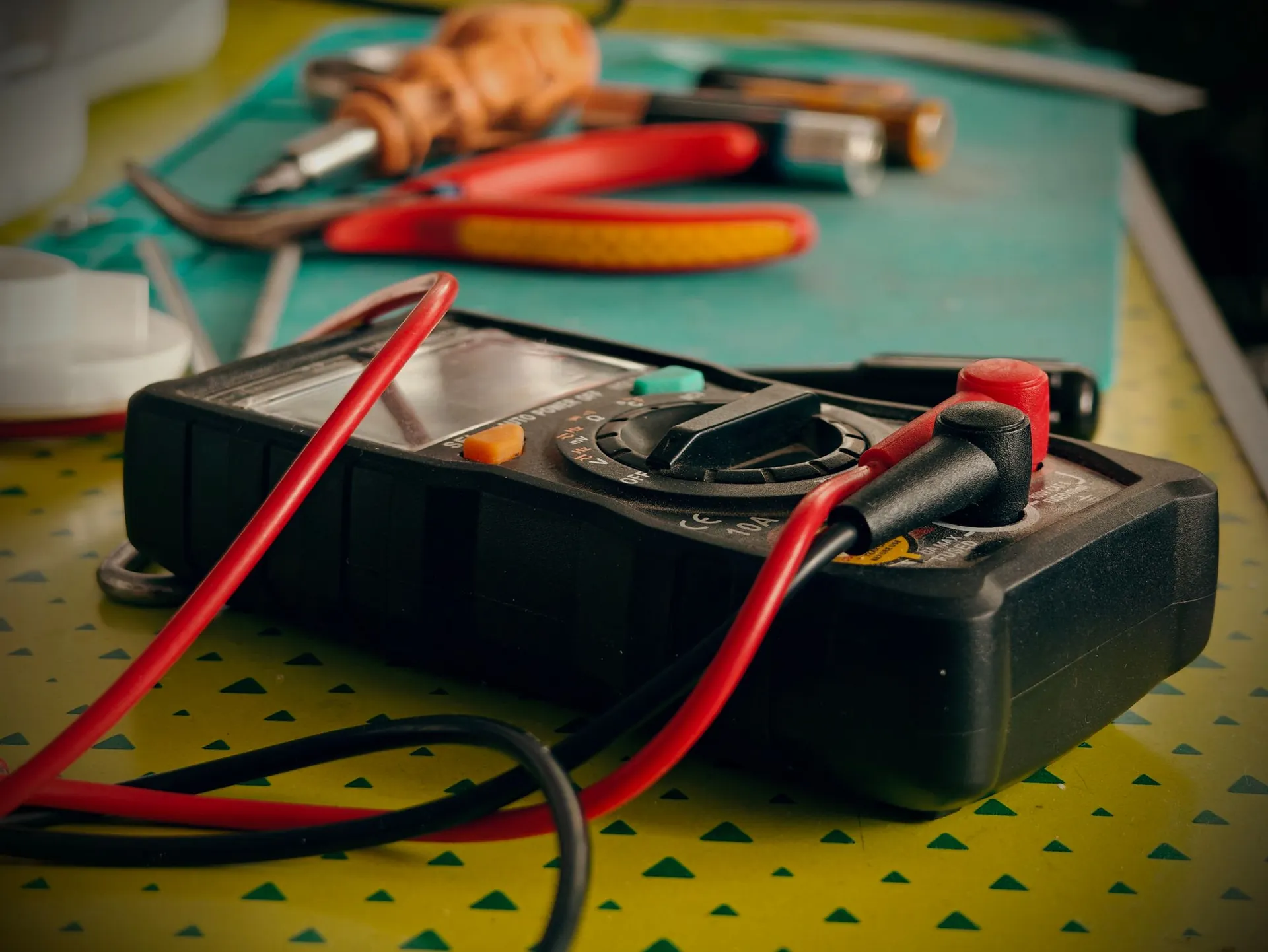
How the test goes
Visual inspection
This finds the majority of real faults, and no instrument is involved. Cracked plugs, cut or stretched flex at the strain relief, scorching round pins, the wrong fuse rating, damaged casings. A kettle flex chewed at the base is a far more common find than anything the tester picks up.
Earth continuity
On Class I appliances — anything with an earthed metal case, so washing machines, kettles, toasters. Confirms the earth path back through the flex is intact and low resistance.
Insulation resistance
Confirms live parts are properly separated from anything you can touch. Class II double-insulated items get tested differently, and the label on the appliance tells me which it is.
Functional check
It gets switched on. An appliance can pass every electrical test and still be broken.
Label and record
Pass or fail label with the date on each item, and an asset register listing every appliance, its location, the readings and the result. That register is the document your agent or the council actually wants.
What I test, and how often
| Furnished let | Every landlord-supplied appliance. Usually a washing machine, fridge freezer, cooker if electric, microwave, kettle, toaster, vacuum, and any lamps left in the property. |
|---|---|
| HMO | The same, plus anything in shared areas. Expect the council to want it current at licence renewal. |
| Small business | Office and workshop equipment, extension leads and IEC leads. Leads fail more often than the equipment they feed. |
| Interval | Risk-based, not fixed by law. Domestic lets are commonly done at each change of tenancy or every two years. Portable equipment on a building site is a different matter entirely. |
Doing it in one visit
If the property is also due a gas safety certificate and a legionella assessment, all three go on one appointment. Tenants are far more cooperative about one visit than three.
Common questions
Is PAT testing a legal requirement for landlords in Scotland?
Not by that name. The Repairing Standard requires the property and any appliances you provide to be in a safe working order, and testing is the accepted way of showing you have checked. For HMOs the council will normally require it as a licence condition.
What happens if something fails?
It gets a fail label and I tell you straight away. Some failures are a plug top or a fuse and I can put them right on the spot. A washing machine with failed insulation resistance is not worth repairing and should be taken out of service.
Do the tenant's own appliances get tested?
Not unless they ask. Your duty covers what you supplied. Some landlords offer it as a goodwill gesture while I am there, which is fine, but it is not an obligation.
Book PAT testing for your property
Tell me roughly how many appliances and whether it is a let, an HMO or a workplace, and I will quote you on the phone.